Expressable delivers meaningful speech therapy outcomes for children and adults
Our family-centered care model provides measurable progress toward communication goals, based on data from 20,000+ patients and nearly 500,000 sessions.
Get Started Today
Outcomes at a Glance
Data from January 2023 through October 2025 | Last updated: March 2026 | Clinically reviewed by Leanne Sherred, M.S. CCC-SLP
Key findings
Based on data from 13,336 patients between January 2023 and October 2025:
- 96% of patients progressed toward their treatment goals within the first five sessions
- Core language skills: 10-point improvement on average (n=43) using the CELF-5 standardized test
- Early communication: 7.4-point receptive and 6.8-point expressive gains (n=52) using the REEL-4 standardized test
- Speech sound production: 6.3-point improvement on average (n=204) using the GFTA-3 standardized test
- 4.83 / 5.0 average patient satisfaction across 4,500+ reviews
96% of patients make progress within 5 sessions
96% of Expressable patients (n = 13,336) progressed toward their speech therapy goals within the first 5 sessions, based on clinician-rated goal tracking from January 2023 to October 2025.
Percentage of patients with clinical progress
n = 13,336 patients; Jan 2023 – Oct 2025
At the start of treatment, therapists collaborate with patients and families to create a personalized plan of care with goals tailored to their needs, interests, and real-life context. Progress is tracked session by session.
Consistent progress across all conditions
95–98% of patients across major diagnostic groups showed measurable progress within the first five therapy sessions:
Significant gains in core language skills
Children receiving Expressable speech therapy improved their CELF-5 Core Language standard score by an average of 10 points, from 77.4 to 87.4 (n = 43).
of patients showed improvement in standard scores, indicating accelerated progress relative to peers
n = 43 patients with language disorders, ages 5–17. Average of 50 sessions over 11 months. Score improvement was statistically significant (p < .001) with a large effect size (Cohen's dz = 0.82).
Severity Distribution Shift
Initial Evaluation
Reevaluation
At reevaluation, nearly 1 in 5 patients achieved scores within the average range for their age, up from 0% at initial evaluation.
The Clinical Evaluation of Language Fundamentals (CELF-5) measures a wide range of language skills in children and young adults. It is widely used to diagnose language disorders and track progress over time.
Increases in standard scores indicate that a child's language skills are growing faster than would be expected. Research suggests that children with language disorders—including those in traditional speech therapy—do not often increase in standard language scores. While they may gain new language skills, they commonly lag behind same-aged peers, resulting in a persistent gap that does not narrow over time.16,17,18
Significant growth in early communication skills
Infants and toddlers showed a 7.4-point receptive language gain and 6.8-point expressive language gain on the REEL-4 (n = 52).
of children improved in receptive language milestones, with 52% showing accelerated improvement compared to peers
n = 52 children ages 15–21 months at initial evaluation. Average of 8 months and 33 sessions. Statistically significant (p < .001), large effect sizes (r > 0.5).
of children improved in expressive language milestones, with 63% showing accelerated improvement compared to peers
Same cohort. Results indicate children are not only gaining new skills but developing faster than typically expected.
% of 0-3 year olds with REEL-4 raw score improvement
The Receptive-Expressive Emergent Language Test (REEL-4) measures language development for children ages 0 to 36 months, capturing both understanding and producing language.
Among our youngest patients, we analyzed raw scores, which represent the number of milestones a child has achieved and offer a sensitive measure of ability for children whose skills are significantly behind same-age peers. We also looked at standard scores, which reflect a child's performance relative to other children of the same age. Improvements in standard scores reflect accelerated growth compared to peers—in other words, new skill development is faster than expected.19
Significant improvement in speech sound production
Patients improved their GFTA-3 Growth Scale Value by an average of 32 points (n = 204), indicating statistically significant improvement (p < .001, Cohen's dz = .89).
showed individual improvement in speech sound production
n = 204 children ages 2–16. Average of 12 months and 53 sessions. GSV score improvement was statistically significant (p < .001, Cohen's dz = .89).
showed standard score improvement, indicating accelerated progress compared to peers
Average improvement of 32 points on the GSV scale, indicating substantial improvement (>1 standard deviation).
Average GFTA-3 Score Improvement
+32 points average improvement on the GSV scale
The Goldman-Fristoe Test of Articulation (GFTA-3) is a gold-standard assessment for measuring speech sound articulation in children, adolescents, and young adults.
Expressable's results align with peer-reviewed research demonstrating that children with speech sound disorders can achieve significant measurable progress in therapy delivered via telepractice.10 These gains support clearer communication and meaningful connections at home, at school, and in their communities.
How patients and families feel about our care
Across more than 4,500 reviews, families nationwide have consistently shared their positive experiences with Expressable speech therapy.
What families say
“Alyssa provides thoughtful feedback and valuable education on how to support my son's speech development. Her methods and materials have made a noticeable difference—I've seen real improvement in his communication skills. We always look forward to our sessions, and the detailed notes she shares afterward are incredibly helpful for reinforcing what we've learned.”
Parent of a 3-year-old, July 2025
“Erica is attentive and patient. She has really got [my son] engaged and he is doing very well for a 2-year-old doing virtual [speech therapy]. The progress session after session speaks for itself. The homework is relevant and purposeful. I am pleased and my son has seen growth.”
Parent of a 2-year-old, April 2024
“Loren has been such a support to our family. Her advice has helped us make better decisions for our daughter and her future. Her sessions help me understand how I can help my daughter outside of therapy. We practice our homework all week every week, and we constantly see improvement. My daughter went from only saying words to saying sentences, wants, and needs, and every week she says a little more.”
Parent of a 3-year-old, May 2025
“Ms. Courtney gives us productive tools each week to improve our communication with our sweet boy. She is always making micro adjustments to our care plan to ensure my son is on point with his goals. Each session is a little different because she is mindful of his attention level being 3 years old. She gives my son the ability to make his own choices, so he feels in control of his appointment. I cannot say enough good things about her ability to further my son's speech skills.”
Parent of a 3-year-old, August 2023
“My son LOVES working with Brenna, and I believe this has had a huge impact on his quick progression so far. He truly enjoys every lesson and, as a result, wants to be better and better in his language skills. He's self-correcting throughout the day and really getting the hang of his 's' sounds. Brenna makes the lessons so fun and engaging that he doesn't even realize he's putting in such hard work.”
Parent of a 7-year-old, June 2025
“Caitlyn gives my kiddo her full focus and attention while she is with him. After [our] most recent session, we logged off and he said 'I think that went well. I'm getting better.' It's going great!”
Parent of a 9-year-old, October 2024
“Kristen is an outstanding therapist that is remarkable with children. My son is blossoming with her. She's able to get through to him and connect for progress unlike any previous therapist. I consider her a God Send.”
Parent of a 6-year-old, September 2023
“Elissa is the perfect speech therapist for my teenage daughter. She helps with exactly what [my daughter] needs and is supportive and caring while still providing great exercises for my daughter to practice improving her speech. Expressable is exactly what we were looking for!”
Parent of a teen, April 2023
“Nicole was able to keep my 5-year-old daughter engaged and made the sessions fun for her. She improved so much and now is able to correctly pronounce SH, L, and V. I wasn't sure virtual speech therapy would work but we're so glad we gave Expressable a try!”
Parent of a 5-year-old, September 2025
“The whole program is amazing compared to my child's public school speech and language program.”
Parent of an 8-year-old, November 2024
“I've seen positive improvement and my son's more confident while speaking. He has made more friends and he’s feeling more comfortable with his speech.”
Parent of a teen, March 2025
“Ms. Caitlyn is great. [My son] does not complain about having to do speech therapy. She interacts with him on a personal level, in addition to helping him improve his language, she makes him feel heard. Great experience for a boy with expressive and receptive challenges.”
Parent of a preteen, September 2024
“I can see a big difference in my daughter's speech since starting her sessions. I've been able to learn a lot as well on how to help her outside of therapy. The biggest difference I’ve seen is that my daughter seems less frustrated when I'm working with her in trying to communicate more.”
Parent of a 4-year-old, September 2023
Real stories of progress
Behind every data point is a real person and family. Here are some of the patients whose communication has been transformed through Expressable.

Meet Alex
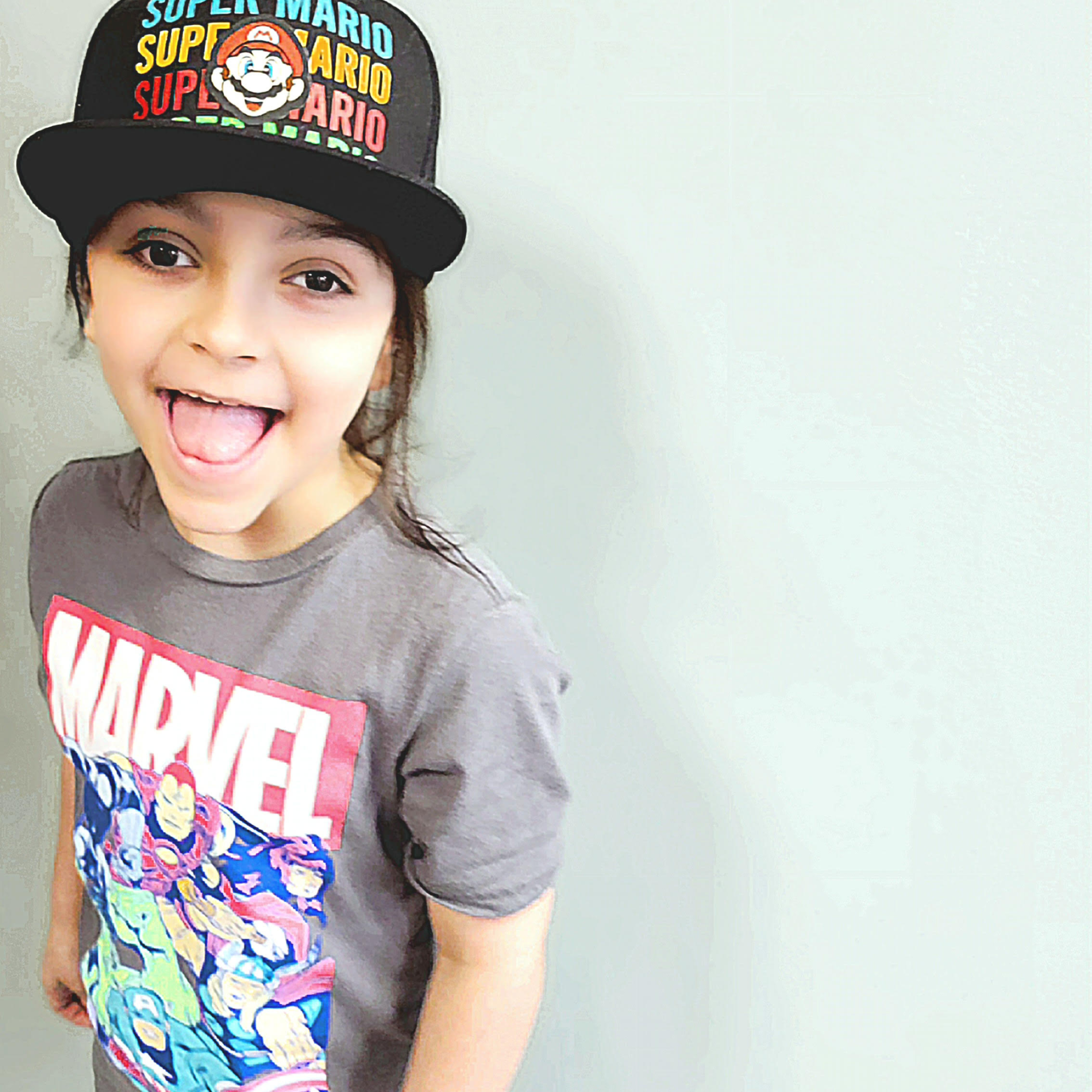
7-year-old Alex had years of speech therapy elsewhere, but his progress accelerated after starting with Expressable. His goals included using longer sentences and holding back-and-forth conversations. His mother saw major improvement in just three months.
View their story
Meet Alaina
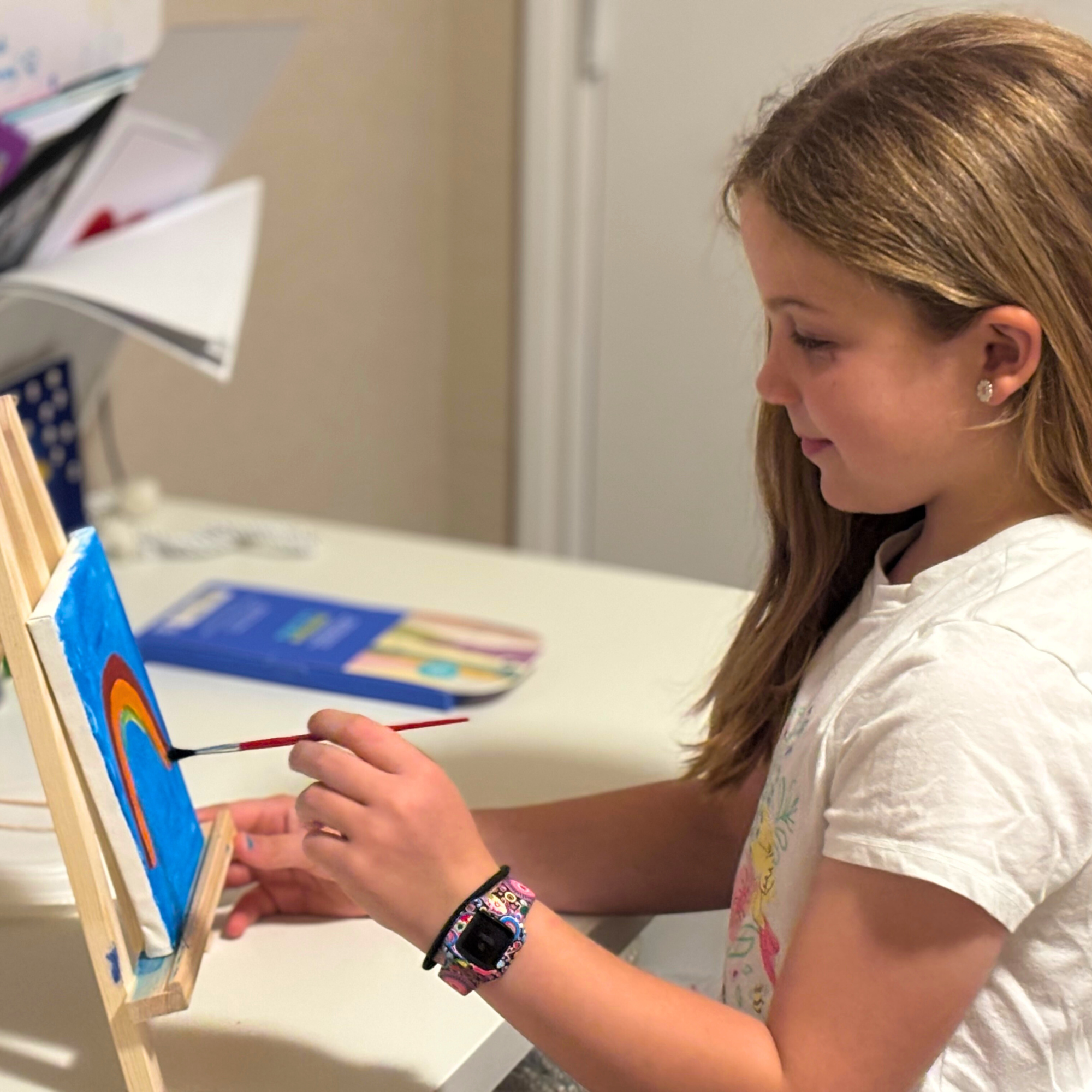
8-year-old Alaina had a severe phonological and articulation disorder affecting her confidence. With her mom joining sessions and practicing at home, Alaina met all her goals and graduated early in just five months.
View their storyWhy our approach drives real speech therapy results
Our research-based care model is built on empowering families to be active partners in their loved one's therapy, creating faster, lasting progress.

Therapy at home
Your child's custom care plan includes goals that are measured each week as they get closer to graduation.

Caregivers as partners
We actively coach parents and caregivers during sessions, giving families the skills they need to support progress throughout the week.1,2,3,4,5,6
Support between sessions
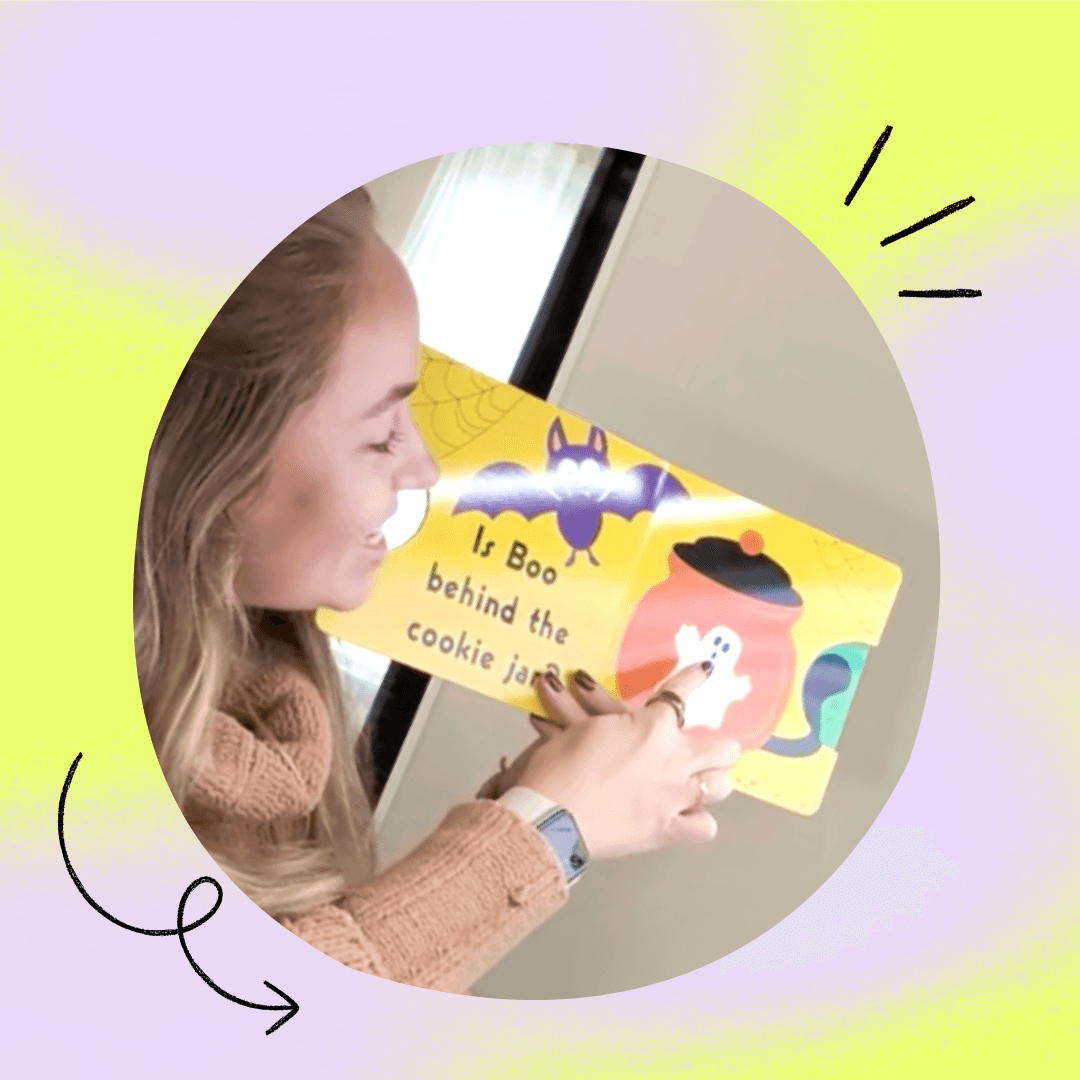
We provide 600+ learning paths and video lessons, with 4,000+ home exercises, each assigned weekly based on your needs and goals. Plus your therapist is available for support and questions throughout the week via secure messaging.

Progress you can measure
Progress towards your care plan is tracked each week, after every session, so you can understand, measure, and visualize your child's momentum towards their goals.
Our clinical advisory board
In the summer of 2025, we welcomed the inaugural members of our Clinical Advisory Board (CAB)—widely respected experts in speech-language pathology, caregiver coaching, technology-enabled care, and developmental research.
The CAB will play a pivotal role in guiding Expressable's clinical innovation, research priorities, clinician training, and quality standards—ensuring our care remains accessible, inclusive, and evidence-based.

Dr. Howard Shane, Ph.D., CCC-SLP
Director Emeritus of the Center for Communication Enhancement at Boston Children's Hospital and Associate Professor at Harvard Medical School. Dr. Shane is a nationally recognized leader in augmentative and alternative communication (AAC), with decades of experience developing assistive technologies to support people with complex communication needs.

Dr. Megan Roberts, Ph.D., CCC-SLP
Professor at Northwestern University and Director of the Early Intervention Research Group. Dr. Roberts is a leading researcher in caregiver-implemented early language interventions for children with developmental delays and autism. Her work centers on improving equity in access to care, strengthening family-centered practices, and scaling evidence-based strategies.
Our commitment to excellence
Built upon this foundation of accessible, evidence-informed therapy is an unwavering commitment to clinical excellence and continued growth. Expressable recently earned The Joint Commission's Gold Seal of Approval® for Health Care, reflecting our dedication to rigorous quality standards in speech-language therapy and our determination to advance safety, equity, and compassion for all our patients.
Our methodology
A common way to measure progress in speech-language therapy is to compare standardized assessment scores before and after a period of treatment.
At the start of therapy, speech therapists conduct evaluations tailored to each patient's age and presenting concerns. These may cover articulation, early language milestones, vocabulary, sentence formation, and language comprehension. Many patients complete the same assessment again later in therapy to directly track progress and identify areas of continuing need.
While every patient's journey is unique, group-level analyses let us quantify progress by comparing initial and reevaluation scores across standardized assessments. The following highlights are based on de-identified, aggregate data from patients who completed at least 8 therapy sessions at Expressable between evaluations. Reevaluations typically occurred 6 to 12 months after the initial evaluation. Assessments included:
The Clinical Evaluation of Language Fundamentals - 5th Edition (CELF-5)
The Receptive-Expressive Emergent Language Test - 4th Edition (REEL-4)
The Goldman-Fristoe Test of Articulation - 3rd Edition (GFTA-3)
Detailed statistical information is available upon request.
Download the full 2025 Outcomes Report (PDF)Frequently asked questions about speech therapy outcomes
Does online speech therapy really work?
Yes. Research shows teletherapy outcomes are comparable to, and in some cases superior to, traditional in-person therapy.7,8,9,10,11,12,13,14,15 At Expressable, 96% of patients make measurable progress toward their speech therapy goals within the first five sessions, based on data from over 13,000 patients.
How quickly will my child see results from speech therapy?
Most children begin making progress within their first few sessions. At Expressable, 74% of patients show measurable progress after just one session, rising to 96% by session five. The timeline for reaching specific goals varies based on the type and severity of the communication challenge.
How does Expressable measure speech therapy progress?
Expressable uses a combination of individualized goal tracking and clinically validated standardized assessments including the CELF-5, REEL-4, and GFTA-3. Therapists track progress each session against personalized care plan goals, and periodic reevaluations using standardized tests provide objective measures of improvement.
What conditions does Expressable treat?
Expressable treats a wide range of communication challenges for both children and adults, including language disorders, speech sound disorders, stuttering and fluency concerns, autism-related communication needs, aphasia following stroke, voice concerns, and feeding/swallowing difficulties. Patients range from age 1 to 95+.
Does speech therapy help children with autism?
Yes. At Expressable, 98% of patients with autism showed measurable progress toward their speech and language goals within five sessions. Our family-centered model involves caregivers directly in therapy, helping children practice communication skills in their natural home environment throughout the week.
Is Expressable covered by insurance?
Expressable accepts over 250 insurance plans including major commercial insurers and Medicaid in many states. Approximately one-third of Expressable patients are Medicaid recipients. Most patients pay on average $0 to $21 per visit after insurance.
How is Expressable different from traditional speech therapy?
Expressable's teletherapy model combines live 1-on-1 video sessions with a family-centered approach that actively involves caregivers. Patients also receive access to 600+ Learning Paths, 4,000+ practice exercises, and 7-day SMS support from clinicians. Therapy happens in the home, where communication naturally occurs, helping skills carry over into daily life.
References
- Roberts MY, Curtis PR, Sone BJ, Hampton LH. Association of parent training with child language development: A systematic review and meta-analysis. JAMA Pediatr. 2019;173(7):671-680. doi:10.1001/jamapediatrics.2019.1197
- Grasso SM, Shuster KM, Henry ML. Comparing the effects of clinician and caregiver-administered lexical retrieval training for progressive anomia. Neuropsychol Rehabil. 2019;29(6):866-895. doi:10.1080/09602011.20171339358
- Kronberg J, Tierney E, Wallisch A, Little LM. Early intervention service delivery via telehealth during COVID-19: A research-practice partnership. Int J Telerehabilitation. 2021;13(1):e6363. doi:10.5195/ijt.2021.6363
- Mettler HM, Neiling SL, Figueroa CR, Evans-Reitz N, Alt M. Vocabulary Acquisition and Usage for Late Talkers: The Feasibility of a Caregiver-Implemented Telehealth Model. J Speech Lang Hear Res. 2023;66(1):257-275. doi:10.1044/2022_JSLHR-22-00285
- Roberts MY, Kaiser AP. The Effectiveness of Parent-Implemented Language Interventions: A Meta-Analysis. Am J Speech Lang Pathol. 2011;20(3):180-199. doi:10.1044/1058-0360(2011/10-0055)
- Ingersoll B, Frost KM, Straiton D, Ramos AP, Casagrande K. Telehealth coaching in Project ImPACT indirectly affects children’s expressive language ability through parent intervention strategy use and child intentional communication: An RCT. Autism Res. 2024;17(10):2177-2187. doi:10.1002/aur.3230
- Behl DD, Blaiser K, Cook G, et al. A multisite study evaluating the benefits of early intervention via telepractice. Infants Young Child. 2017;30(2):147-161. doi:10.1097/IYC.0000000000000090
- Blaiser KM, Behl D, Callow-Heusser C, White KR. Measuring costs and outcomes of tele-intervention when serving families of children who are deaf/hard-of-hearing. Int J Telerehabilitation. Published online December 19, 2013:3-10. doi:10.5195/ijt.2013.6129
- De Leon IC, Philipps J, Yoegel M, Byrnes J, Kase JS. Comparison of Goal Achievement When Transitioning from In-Person Therapy to Teletherapy in Westchester County Early Intervention Program Due to the COVID-19 Pandemic. Int J Telerehabilitation. 2022;14(1). doi:10.5195/ijt.2022.6450
- Grogan-Johnson S, Gabel RM, Taylor J, Rowan LE, Alvares R, Schenker J. A pilot exploration of speech sound disorder intervention delivered by telehealth to school-age children. Int J Telerehabilitation. 2011;3(1):31-42.
- Mahurin-Smith J, Lorio CM. Early Intervention Providers’ Perspectives on the Use of Telepractice During the COVID-19 Pandemic. Perspect ASHA Spec Interest Groups. 2025;10(2):640-650. doi:10.1044/2024_PERSP-24-00106
- Ogourtsova T, Boychuck Z, O’Donnell M, Ahmed S, Osman G, Majnemer A. Telerehabilitation for children and youth with developmental disabilities and their families: a systematic review. Phys Occup Ther Pediatr. 2023;43(2):129-175. doi:10.1080/01942638.2022.2106468
- Retamal-Walter F, Waite M, Scarinci N. Exploring engagement in telepractice early intervention for young children with developmental disability and their families: A qualitative systematic review. Disabil Rehabil Assist Technol. 2023;18(8):1508-1521. doi:10.1080/17483107.2022.2048098
- Stredler-Brown A. Examination of coaching behaviors used by providers when delivering early intervention via telehealth to families of children who are deaf or hard of hearing. Perspect ASHA Spec Interest Groups. 2017;2(9):25-42. doi:10.1044/persp2.SIG9.25
- Vismara LA, McCormick CEB, Wagner AL, Monlux K, Nadhan A, Young GS. Telehealth parent training in the Early Start Denver Model: Results from a randomized controlled study. Focus Autism Dev Disabil. 2018;33(2):67-79. doi:10.1177/1088357616651064
- Conti-Ramsden G, St Clair MC, Pickles A, Durkin K. Developmental trajectories of verbal and nonverbal skills in individuals with a history of specific language impairment: from childhood to adolescence. J Speech Lang Hear Res. 2012;55(6):1716-1735. doi:10.1044/1092-4388(2012/10-0182)
- Norbury CF, Vamvakas G, Gooch D, et al. Language growth in children with heterogeneous language disorders: a population study. J Child Psychol Psychiatry. 2017;58(10):1092-1105. doi:10.1111/jcpp.12793
- Schmitt MB, Logan JAR, Tambyraja SR, Farquharson K, Justice LM. Establishing language benchmarks for children with typically developing language and children with language impairment. J Speech Lang Hear Res. 2017;60(2):364-378. doi:10.1044/2016_JSLHR-L-15-0273
- Kwok E, Feiner H, Grauzer J, Kaat A, Roberts MY. Measuring change during intervention using norm-referenced, standardized measures: A comparison of raw scores, standard scores, age equivalents, and growth scale values from the preschool language scales–fifth edition. J Speech Lang Hear Res. 2022;65(11):4268-4279. doi:10.1044/2022_JSLHR-22-00122
Complete reference list available in the 2025 Outcomes Report (PDF).
Ready to see what's possible?
Join 20,000+ patients and families who are achieving their communication goals with Expressable.
Get Started TodayMost pay $0–$21 per visit | 250+ insurance plans accepted